%2Ffit-in%2F250x250%2Fguide_websites%2F1697%2Fimages%2Ftemplogossheet.png&w=1920&q=100)
Red Snapper & Grouper Fishing in Carrabelle FL
Fishing Charter Action in Carrabelle - What to Expect
%2F%2Fusers%2F568ada45-4a12-44fa-b616-7f8f7d0a0319%2Fimages%2Fred-snapper-grouper-carrabelle-catch-2713.jpg&w=1920&q=75)
Fishing Charter by Captain Scott Luke in June
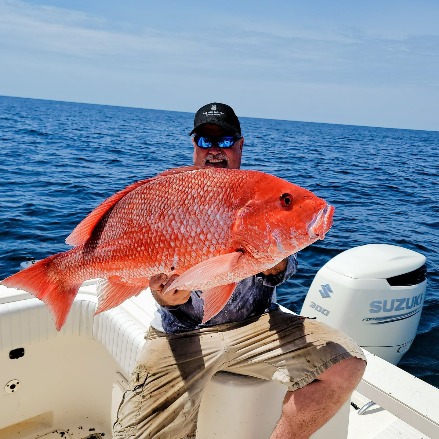
Meet your Captain Scott Luke
- Top-rated Fishing Charters in Carrabelle, FL


Summary
Join Captain Scott Luke of Renegade Charters on a Tuesday in June for an explosive fishing charter in Carrabelle, FL. This fishing charter delivers action-packed excitement targeting red snapper, red grouper, and grey triggerfish in Gulf waters. Anglers experience the thrill of fast-paced reeling, quality catches, and genuine Gulf Coast fishing adventure.
Fishing Charter with Captain Scott Luke - Rates & Booking
Captain Scott Luke of Renegade Charters on Tuesday, June delivered world-class fishing action in Carrabelle waters. This fishing charter puts anglers front and center for explosive Gulf Coast excitement, targeting the premium species that make this destination legendary. The charter experience combines local knowledge, proven fishing grounds, and the rush of consistent catches throughout the day. Book your charter online today and experience the adrenaline of landing red snapper, grouper, and triggerfish in Gulf waters.
Highlights of This Fishing Charter
The dock photo captures the raw excitement of a successful day on the water - multiple red snapper dominating the catch, paired with the challenge of hard-fighting red grouper and the unexpected strikes of grey triggerfish. These fish represent the heart of Gulf Coast fishing - powerful fighters that demand skill, persistence, and sharp reactions. Carrabelle's productive offshore structure creates ideal conditions for consistent action from sunrise through sunset.
This charter delivers the full Gulf experience: the hunt for structure, the battle with aggressive strikers, and the satisfaction of a cooler full of premium table fish. Captain Scott Luke's expertise puts anglers exactly where these species congregate, maximizing action and ensuring every rod stays active throughout the trip.
Local Species Insights: Red Snapper, Grouper & Triggerfish
Red snapper dominate these Gulf waters as the crown jewel of Carrabelle fishing. These bottom-hugging powerhouses inhabit deep structure and artificial reefs, where they strike hard and fight harder. The explosive bites and relentless runs make red snapper the signature catch that keeps anglers coming back for more. Red grouper, equally aggressive, adds another dimension of challenge - these fish attack baits with fury and test every bit of tackle strength. Their habitat overlaps snapper grounds, creating scenarios where multiple species strike in rapid succession.
Grey triggerfish bring unpredictability and excitement to every charter. These quirky fighters exhibit aggressive feeding behavior and quirky personalities that make each encounter memorable. Triggerfish thrive around the same structure that holds snapper and grouper, turning any given moment into potential chaos and incredible action. All three species prefer the offshore reefs and structure that Carrabelle's waters offer in abundance. The Gulf Coast environment around Carrabelle creates perfect conditions for these species to thrive - nutrient-rich waters, abundant forage, and productive bottom structure that holds fish all day long.
The combination of these three species on a single charter represents peak Gulf Coast fishing. Multiple strikes, varied fighting styles, and the constant anticipation of what hits next keeps adrenaline levels sky-high from the first cast to the last. This is fishing that delivers action, challenge, and the kind of success that makes for incredible dock photos and even better memories.
Plan Your Fishing Day
A typical charter day in Carrabelle starts early and runs hard until the action peaks or the cooler fills. Captain Scott Luke positions the boat over productive structure, providing live bait or fresh cut offerings that trigger immediate strikes. Anglers work multiple rods when regulations allow, maximizing opportunities to connect with red snapper, grouper, and triggerfish simultaneously. The deck setup provides space to work multiple lines while maintaining safety and comfort throughout the day. Bring sunscreen, polarized shades, and gloves for the constant action and reef-grabbing species. The Gulf can be rough, so expect motion and dress for variable weather conditions. This charter attracts experienced anglers and enthusiastic newcomers alike - the fishing does most of the work, and Captain Scott handles the rest.
Fishing in Carrabelle, FL: Grey Triggerfish, Red Snapper and Red Grouper
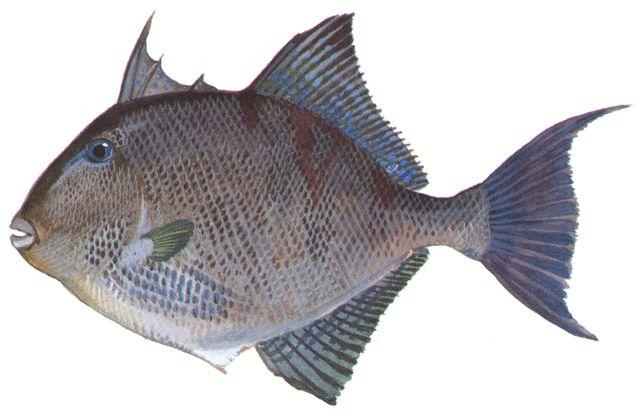
The Grey Triggerfish (Balistes capriscus) from the Balistidae family and Tetraodontiformes order is one of those fascinating fish that every angler should experience at least once. Also known as the Leatherjacket or Leatherneck, this distinctive ray-finned fish sports a pale grey to greenish-grey coloration with three broad dark stripes running across its body and striking blue upper eyes. What really sets them apart is their tough, leather-like skin and that unique trigger mechanism they use to lock themselves into crevices when threatened - it's like watching nature's own security system in action!
Grey Triggerfish Overview
These remarkable fish are true characters of the reef ecosystem, known for their bold personalities and opportunistic feeding habits. Found throughout the Atlantic waters from Nova Scotia down to Argentina, they're particularly abundant around Florida's coastal waters and the Gulf of Mexico. What makes them so notable for anglers is their aggressive feeding behavior and willingness to take almost any bait, though they're notorious for their nibbling technique that can frustrate even experienced fishermen. Their laterally compressed body and distinctive beak-like mouth make them unmistakable once you've encountered one.
Grey Triggerfish Habitat and Distribution
You'll find these adaptable fish thriving in both inshore and offshore environments, typically around hard-bottom areas, rocky ledges, and coral reefs up to about 180 feet deep. Their range extends from the western Atlantic Ocean, including the Caribbean Sea, Gulf of Mexico, and even Bermuda, with some populations having crossed the Atlantic via Gulf Stream currents to establish themselves around the British Isles and Mediterranean. They prefer seaward reefs, bays, and lagoons where they can easily dart into protective crevices when danger approaches. The key to finding them is looking for structure - anywhere there are rocks, reefs, or artificial structures, you're likely to encounter these territorial fish.
Grey Triggerfish Size and Weight
Most specimens you'll encounter range from 19 to 24 inches in length, though the average catch typically measures around 17 inches. These medium-sized fish pack quite a bit of weight for their size, with mature individuals weighing between 11 to 13 pounds. Their robust, compressed body shape gives them surprising heft, and when you hook into a larger specimen, you'll definitely feel the fight they put up. The size can vary significantly based on location and available food sources, with fish in nutrient-rich areas often reaching the upper end of the size spectrum.
Grey Triggerfish Diet and Behavior
As carnivorous opportunists, these fish have earned a reputation as the bulldozers of the reef ecosystem. They use their powerful, sharp teeth to crunch through hard-shelled prey like crabs, sea urchins, shrimp, and various invertebrates, often leaving a trail of destruction that smaller fish follow to feast on the leftovers. Their feeding behavior is quite aggressive - they'll pick apart coral formations to get at hidden prey and aren't shy about competing with other fish for food. This competitive nature makes them relatively easy to target with bait, as they'll often rush in to steal food from other species. Their daily behavior involves patrolling territory during daylight hours and retreating to protective crevices at night.
Grey Triggerfish Spawning or Seasonal Activity
During spawning season, typically in warmer months, these fish become even more territorial and aggressive. Males establish nesting sites in sandy areas near reefs where they create circular depressions for females to deposit eggs. The male guards the nest fiercely, making this period particularly exciting for anglers as the fish become more active and easier to locate. Seasonal movements often bring them into shallower waters during spring and summer months, making them more accessible to recreational fishermen. Their activity levels peak during dawn and dusk feeding periods, though they remain active throughout the day in productive areas.
Grey Triggerfish Techniques for Observation or Capture
The most effective approach involves targeting hard-bottom areas and reef structures using a 6 to 8-ounce sinker to get your bait down quickly to their preferred depths. Squid chunks about an inch wide work exceptionally well since they stay on the hook better than softer baits, and the key is maintaining constant line tension to feel those subtle nibbles before they steal your bait. A particularly effective technique is dropping your bait near other species like snapper or grouper - the competitive nature of these fish means they'll often charge in to steal food from their neighbors. Around popular fishing destinations, try fishing the edges of artificial reefs and bridge pilings where they tend to congregate. Keep your rod tip up and be ready to set the hook quickly, as they're notorious for testing the bait before committing to a full bite.
Grey Triggerfish Culinary or Utilization Notes
While they offer average eating quality compared to some other reef species, many anglers appreciate their firm, white meat when prepared properly. The key to good table fare is immediate cleaning and proper preparation, as the tough skin requires careful removal. Their meat has a mild flavor that takes well to various cooking methods, from grilling to frying, though some find the texture a bit firmer than preferred. They're also valued for their impressive fighting ability, making them a popular target for sport fishing. The sustainability aspect is important to consider, as proper size limits and seasonal restrictions help maintain healthy populations for future generations to enjoy.
Grey Triggerfish Frequently Asked Questions
Q: What is the best bait for Grey Triggerfish?
A: Squid chunks about an inch wide are the top choice because they stay on the hook well despite the fish's nibbling behavior. Shrimp, cut bait, and even small crabs work effectively, but squid's durability gives you the best chance of a solid hookup.
Q: Where can I find Grey Triggerfish in Florida waters?
A: Look for hard-bottom areas, artificial reefs, bridge pilings, and rocky ledges in both inshore and offshore waters up to 180 feet deep. Popular spots include reef systems off the Keys, Gulf Coast artificial reefs, and structure around inlets and passes.
Q: Are Grey Triggerfish good to eat?
A: They provide decent table fare with firm, white meat that has a mild flavor. While not considered premium eating like snapper or grouper, they're certainly edible when cleaned and prepared properly, though the tough skin requires careful removal.
Q: When is the best time to catch Grey Triggerfish?
A: Dawn and dusk feeding periods are typically most productive, though they remain active throughout the day. Warmer months often see increased activity as they move into shallower waters, and fishing around structure during incoming tides can be particularly effective.
Q: Why do Grey Triggerfish steal bait without getting hooked?
A: Their feeding behavior involves nibbling and testing bait before fully committing, which is why maintaining tight line tension and using durable baits like squid is crucial. Setting the hook at the first sign of movement rather than waiting for a strong pull often results in better hookup rates.
Q: How do I prevent Grey Triggerfish from breaking off once hooked?
A: Use sturdy tackle and reel steadily while keeping the rod tip up to prevent them from diving back into structure. Their first instinct when hooked is to head for the nearest crevice or reef, so applying consistent pressure to turn them away from cover is essential for a successful landing.
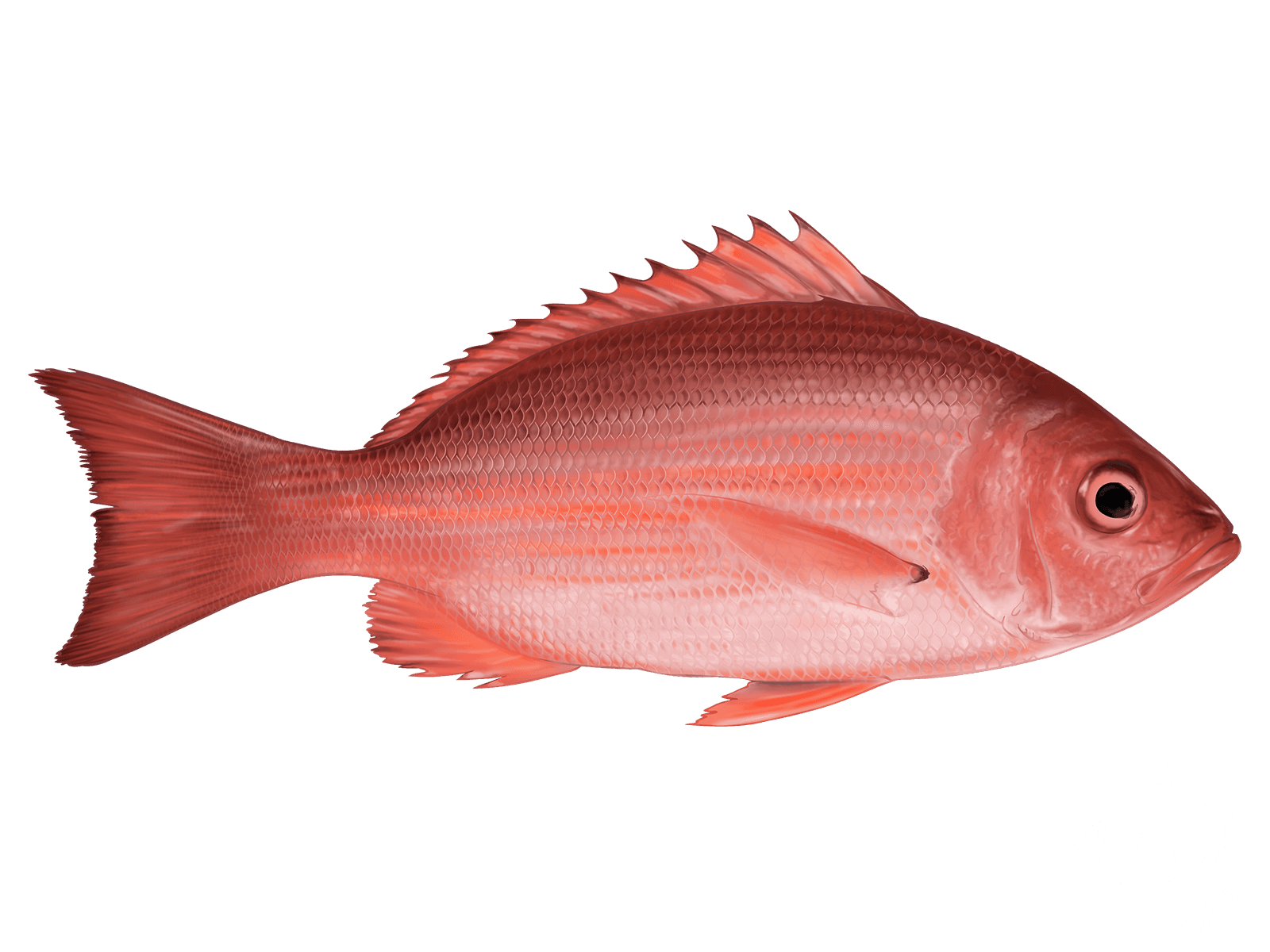
Red Snapper (Lutjanus campechanus) Overview
The Red Snapper, scientifically known as Lutjanus campechanus, belongs to the family Lutjanidae within the order Perciformes. This exceptional gamefish is one of the most sought-after species along the Atlantic coast and throughout the Gulf of Mexico, renowned for its brilliant red coloration, aggressive strike, and exceptional table quality. Red Snapper are true bottom dwellers that transform from pale pink juveniles into deep crimson adults, earning their reputation as trophy catches for both recreational anglers and commercial fisheries. Whether you're planning a fishing adventure in the Gulf of Mexico or exploring coastal waters, understanding this remarkable species will enhance your experience on the water.
Red Snapper Habitat and Distribution
Red Snapper thrive in the deep waters of the Atlantic coast and Gulf of Mexico, typically found at depths ranging from 30 to 620 feet. These fish prefer water temperatures between 50 and 70 degrees Fahrenheit, making them most active during moderate seasonal conditions. Juveniles inhabit shallower inshore areas with muddy bottoms, gradually migrating to deeper waters near structure as they mature. Adult Red Snapper are predominantly found near artificial and natural structures including reefs, wrecks, rocky outcroppings, and debris fields that provide shelter and concentrate forage fish. The Gulf of Mexico remains the primary hotspot for Red Snapper populations, with substantial populations extending down the eastern seaboard. Areas around Louisiana, Texas, and Florida's Gulf coast are particularly productive for encountering these fish.
Red Snapper Size and Weight
Red Snapper demonstrate impressive growth potential, with typical specimens caught by anglers ranging from 19 to 39 inches in length and weighing between 5 to 20 pounds on average. However, these fish can grow considerably larger under optimal conditions, with documented specimens exceeding 3 feet in length and weighing over 35 pounds. The world record Red Snapper weighed an astounding 50 pounds 4 ounces, a legendary catch landed off Louisiana waters in 1966. Most Red Snapper encountered in modern fisheries are between 4 to 6 years old, reflecting current population dynamics and regulatory management. These fish possess remarkable longevity, with lifespans exceeding 20 years, allowing mature individuals to reach exceptional sizes and weights.
Red Snapper Diet and Behavior
Red Snapper are carnivorous bottom feeders with a diverse diet consisting primarily of smaller fish and crustaceans. Their preferred prey includes cigar minnows, pinfish, pigfish, live squid, shrimp, and octopus, reflecting their opportunistic feeding strategy in deep-water environments. These aggressive hunters are most active during dawn and dusk periods, though they feed throughout daylight hours, particularly during slack tide periods when visibility and feeding conditions are optimal. Red Snapper exhibit strong territorial behavior, remaining in proximity to structure and cover where they ambush passing prey. Their reputation as fierce fighters stems from their powerful strikes and determined runs toward nearby cover—a characteristic that makes them exhilarating opponents for anglers. When hooked, Red Snapper will aggressively attempt to reach nearby structure, making rod strength and sharp hooks essential for successful encounters.
Red Snapper Spawning and Seasonal Activity
Red Snapper reach sexual maturity around 5 to 8 years of age, with larger, older females producing substantially greater numbers of eggs than their younger counterparts. A single 24-inch female can produce as many eggs as 212 seventeen-inch females, making size-selective reproduction a critical management consideration. The spawning season extends from May through October, with peak activity occurring during warmer months when water temperatures optimize reproductive success. Fertilized eggs drift to the surface and hatch within approximately one day, with larvae remaining in the planktonic water column before settling into shallow nursery habitats after about one month. As juvenile Red Snapper grow, they gradually migrate to deeper waters where they eventually establish residence near structure in the deep Gulf. This life history transition from shallow nurseries to deep offshore habitats reflects the species' adaptation to distinct environmental zones throughout their development.
Red Snapper Techniques for Observation and Capture
Bottom Fishing with Heavy Rigs: The most effective method for catching Red Snapper involves deploying heavy multi-hook rigs dressed with weights substantial enough to maintain bottom contact in deep water. Electric reels, manual reels, and handlines all prove effective when rigged properly. Bait your hooks with live pinfish, cigar minnows, fresh squid, or live shrimp, then lower your presentation to the bottom where Red Snapper congregate. The key to success lies in keeping your bait at or near bottom structure where these fish feed. Around the Gulf of Mexico's major fishing ports, charter captains utilize GPS and sonar to locate wreck structures and reef systems, deploying rigs precisely over productive bottom. Expect powerful strikes and immediate runs toward cover—maintain steady upward pressure to prevent your line from cutting on structure.
Fly Fishing for Surface-Active Fish: When Red Snapper move shallow or feed near the surface, fly fishing presents an exciting and productive alternative to traditional bottom techniques. Rig an 11 to 13-weight fly line with Clouser minnow or deceiver patterns that mimic local forage species. Some anglers employ chum slicks to concentrate Red Snapper before casting, then strip flies with erratic, natural-looking retrieve patterns. Present your fly to rising fish and work it back toward deeper water with consistent stripping action—Red Snapper will aggressively attack moving flies that resemble fleeing prey species. This technique works particularly well during early morning hours and slack tides when Red Snapper move into shallower water.
Targeting Structure and Seasonal Timing: Success with Red Snapper depends heavily on identifying productive structure and timing your fishing efforts around seasonal patterns. Focus on natural and artificial reefs, shipwrecks, rock formations, and other bottom features that hold concentrated populations. Spring and early summer, when water temperatures warm and spawning activity increases, represent prime fishing seasons. Target dawn and dusk periods when feeding intensity peaks, and plan your trips around slack tide periods when Red Snapper feed most aggressively.
Red Snapper Culinary and Nutritional Value
Red Snapper ranks among the most prized culinary fish, commanding premium prices in seafood markets and restaurants throughout the nation. The flesh features a mild, slightly nutty flavor profile with firm texture that holds up exceptionally well to various cooking methods. Whether baked, pan-fried, grilled, or steamed, Red Snapper delivers outstanding eating experiences that have made it an enduring favorite among seafood enthusiasts. To fully appreciate the delicate natural flavors, many chefs recommend minimal seasoning—simple preparations featuring salt, pepper, and fresh lemon juice allow the fish's inherent qualities to shine. Beyond culinary appeal, Red Snapper offers impressive nutritional benefits, serving as an excellent source of omega-3 fatty acids essential for cardiovascular and cognitive health. The fish is naturally low in calories, high in complete protein, and contains minimal saturated fat, making it an ideal choice for health-conscious diners. Red Snapper provides abundant B12 and vitamin D, along with important minerals including iron and potassium. Regular consumption supports heart health, enhances brain function, boosts immune response, and promotes healthy skin and hair development.
Red Snapper Frequently Asked Questions
Q: What is the best bait for catching Red Snapper?
A: Live pinfish and cigar minnows consistently outperform other bait options, particularly for larger specimens. Fresh squid, live shrimp, pigfish, and octopus also produce excellent results. The key lies in presenting fresh, lively bait on heavy rigs that reach bottom structure where Red Snapper feed. Experiment with combinations to determine what works best in your specific fishing location.
Q: Where can I find Red Snapper fishing opportunities in the Gulf of Mexico?
A: Major fishing ports throughout Louisiana, Texas, and Florida's Gulf coast provide excellent access to Red Snapper populations. Charter services in these areas operate specialized trips targeting deep-water structure. Public fishing piers in coastal communities occasionally offer opportunities during peak seasons, though private boat access typically provides superior fishing success.
Q: Is Red Snapper good to eat?
A: Absolutely—Red Snapper is exceptional table fare featuring mild, slightly nutty flavor and firm white flesh. The fish is highly nutritious, rich in omega-3 fatty acids, and works beautifully with various cooking methods. Most culinary experts recommend simple preparations that highlight natural flavors rather than heavy seasoning.
Q: When is the best time to catch Red Snapper?
A: The spawning season from May through October represents peak activity periods, with summer months typically offering the most consistent fishing. Within each day, dawn and dusk periods produce the most aggressive feeding activity. Slack tides create optimal feeding conditions regardless of season.
Q: How deep do I need to fish for Red Snapper?
A: Red Snapper inhabit depths ranging from 30 to 620 feet, though most productive fishing occurs between 60 and 300 feet. Always check current regulations and use GPS/sonar to identify structure at appropriate depths for your specific fishing area.
Q: What equipment do I need for Red Snapper fishing?
A: Heavy-duty conventional or electric reels paired with sturdy rods rated for deep-water applications work best. Bring quality multi-hook rigs with substantial weights, sharp hooks in appropriate sizes, and durable line rated for the depths and structure you'll encounter. Experienced anglers recommend having backup tackle and extra rigs to maximize fishing time.
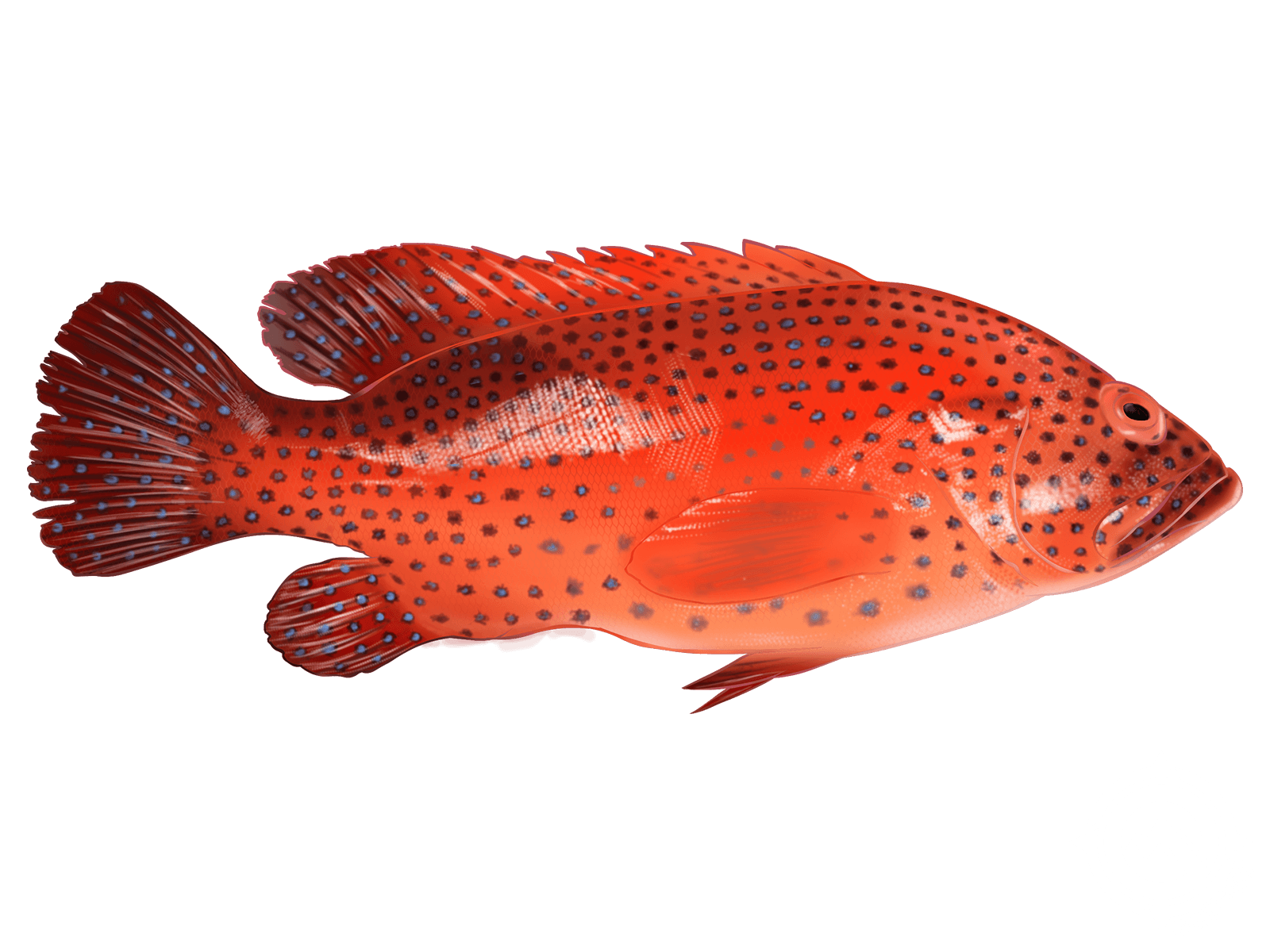
Red Grouper Overview
The Red Grouper (Epinephelus morio) is a member of the Serranidae family within the order Perciformes, and it's one of the most sought-after and commercially important grouper species in U.S. waters. What makes this fish instantly recognizable is its distinctive rusty-red body coloration, complemented by white spots that run from its head all the way to the base of its tail. These fish are robust and meaty despite their moderate size, equipped with a large mouth and razor-sharp teeth designed to hold onto prey rather than tear flesh. If you're fishing or diving off Florida's coast or anywhere along the Atlantic seaboard, there's a good chance you'll encounter this impressive predator. Red Groupers account for roughly 70% of all groupers harvested in U.S. waters, making them the backbone of commercial and recreational fisheries throughout the region.
Red Grouper Habitat and Distribution
Red Groupers are non-migratory fish that prefer muddy and rocky bottom habitats, typically found at depths ranging from 16 feet down to over 1,000 feet, though most recreational anglers encounter them in shallower waters between 10 and 100 feet. They thrive around reefs, ledges, wrecks, and rocky outcroppings where they can hunt effectively and find shelter. Geographically, this species is native to the western Atlantic, ranging from as far north as Massachusetts, down through Florida, throughout the Gulf of Mexico, and extending into the Caribbean and southern Brazil. Whether you're fishing nearshore structures or venturing offshore to deeper wreck systems, Red Groupers inhabit these waters year-round without undertaking significant migrations. Their preference for structured habitats makes them relatively predictable targets, though they remain formidable opponents once hooked.
Red Grouper Size and Weight
While Red Groupers can reach impressive sizes, most anglers catch fish weighing between 12 and 25 pounds, measuring roughly 17 to 35 inches in length. The record for the largest Red Grouper caught on rod and reel was a 42-pound specimen taken off St. Augustine, Florida in 1997, though such trophy-sized fish are exceptionally rare nowadays. Average catches tend to fall in the 5 to 10-pound range, with most fish not exceeding the 2-foot mark in length. Despite their relatively modest average size compared to some other grouper species, their robust and meaty body composition makes them excellent eating. These fish can live remarkably long lives, with some individuals reaching 29 years of age, which contributes to slower population recovery when overfishing occurs.
Red Grouper Diet and Behavior
Red Groupers are aggressive, opportunistic predators that actively hunt throughout the day, particularly during periods of increased current and reduced visibility. Their diet consists primarily of marine invertebrates such as shrimp, crabs, and octopi, though they'll occasionally consume smaller fish species that venture too close to their hunting grounds. These fish are ambush predators that rely on their rocky and wreck-laden habitats to surprise prey, using their large mouths to engulf meals whole rather than pursuing extended chases. They're known for their bold feeding behavior and willingness to strike at bait presentations, making them relatively straightforward targets for anglers. Behaviorally, Red Groupers are territorial fish that establish and defend specific reef or wreck locations, rarely straying far from their preferred habitats. This predictability is both a blessing and a curse—while it makes them easier to locate, it also makes them vulnerable to overfishing pressure in localized areas.
Red Grouper Spawning and Seasonal Activity
Red Groupers are protogynous hermaphrodites, meaning all individuals are born female. As they reach sexual maturity—typically between 7 and 14 years of age—many transition to males, though the exact sex ratio in wild populations remains subject to ongoing research. The spawning season typically occurs between January and April, during which both males and females release sperm and eggs into the water column for external fertilization. Fertilized eggs drift with ocean currents and hatch into larvae within approximately 30 hours. These larvae initially live among zooplankton near the water's surface before eventually settling to the bottom as juveniles, where they take refuge in seagrass beds and shallow structured habitats. Due to the critical nature of this spawning period, commercial and recreational fishing seasons for Red Groupers are completely closed from January through April in most management areas, providing these fish with crucial protection during their most vulnerable reproductive phase.
Red Grouper Techniques for Observation or Capture
Live Bait Presentation: Red Groupers respond aggressively to live bait, particularly live shrimp and crabs, which mimic their natural prey. Target rocky outcrops, reef edges, and wreck structures using light to medium tackle, allowing your bait to work naturally near the bottom where these fish hunt. Around St. Augustine, Florida and other established fishing destinations, guide services frequently use this method in 30-60 feet of water with excellent success rates.
Jigging Techniques: Vertical jigging with 1-4 ounce jigs tipped with squid or shrimp works exceptionally well, particularly around deeper wrecks and hard bottom structures. Drop your jig to the bottom, then work it with short, rhythmic lifts that create vibration and flash. Red Groupers are fierce strikers that typically hit aggressively as your jig falls or ascends.
Cut Bait Method: Fresh-cut mullet, mackerel, or bonito presented on the bottom near structure attracts these fish consistently. Use a standard bottom rig with a 2-3 ounce sinker and circle hook, letting your offering rest on the substrate where Red Groupers naturally forage. Be prepared for a tough fight, as these fish are renowned for their powerful runs and stubborn resistance near bottom structure.
Red Grouper Culinary and Utilization Notes
Red Grouper meat is highly prized in culinary circles, known for its moist, firm, and delightfully flaky texture with a shellfish-like flavor profile that sets it apart from many other fish species. The meat is white to pale pink and holds up beautifully to various cooking methods—whether grilled, baked, fried, or steamed. Commercially, Red Grouper is sold fresh or frozen as whole fish, steaks, or fillets, commanding premium prices at seafood markets and restaurants throughout the country. Nutritionally, grouper provides excellent lean protein, omega-3 fatty acids, and essential minerals. One important consideration: because Red Groupers feed heavily on shellfish, their meat can occasionally accumulate toxins from red tide events, so sourcing from reputable suppliers during clear water conditions is advisable. Sustainability-conscious consumers appreciate that catch limitations and seasonal closures help protect this species, making responsible consumption a meaningful choice for the future of the fishery.
Red Grouper Frequently Asked Questions
Q: What is the best bait for catching Red Grouper?
A: Live shrimp and live crabs are the most effective natural baits for Red Grouper, as they match the fish's preferred natural diet. Fresh-cut mullet and mackerel also work well. The key is presenting these baits near the bottom structure where Red Groupers actively hunt, using enough weight to reach the seafloor without excessive resistance.
Q: Where can I find Red Grouper near major fishing destinations?
A: Red Grouper are abundant throughout the Atlantic coast and Gulf of Mexico. Off Florida's coasts, particularly around St. Augustine and the Keys, productive areas include reef systems, offshore wrecks, and rocky outcroppings in 30-300 feet of water. Check with local charter operators for the most current productive spots, as Red Groupers congregate around specific structural features that shift seasonally.
Q: Is Red Grouper good to eat?
A: Absolutely—Red Grouper is considered one of the finest-tasting grouper species available. The meat is firm, flaky, moist, and features a subtle shellfish-like flavor that appeals to seafood enthusiasts. It's versatile in the kitchen and maintains excellent texture through various cooking methods, making it a worthwhile catch for the dinner table.
Q: When is the best time to catch Red Grouper?
A: While Red Grouper are available year-round in their native waters, the recreational and commercial fishing season is closed from January through April during spawning season. The best fishing typically occurs May through December, with consistent action available whenever current flows through your target structure and visibility is moderate.
Q: How do I know if I've hooked a Red Grouper versus another grouper species?
A: Red Groupers typically put up a powerful, stubborn fight with strong headshakes and runs toward structure. Their aggressive initial strike is usually unmistakable. Once landed, the distinctive rusty-red coloration, white spots across the body, and characteristic head shape make identification straightforward—these features are essentially diagnostic for this species.
Q: Are Red Grouper populations declining?
A: While Red Grouper populations haven't reached critical levels, documented declines have occurred in some Gulf of Mexico regions due to historical overfishing and accidental capture of juveniles by shrimp trawlers. Management measures including catch limitations, seasonal closures, and depth restrictions are actively working to restore populations and ensure sustainable fisheries for future generations.